


The 2027 Chevy Bolt Is Back, and the Savings Story Goes Beyond the Price Tag
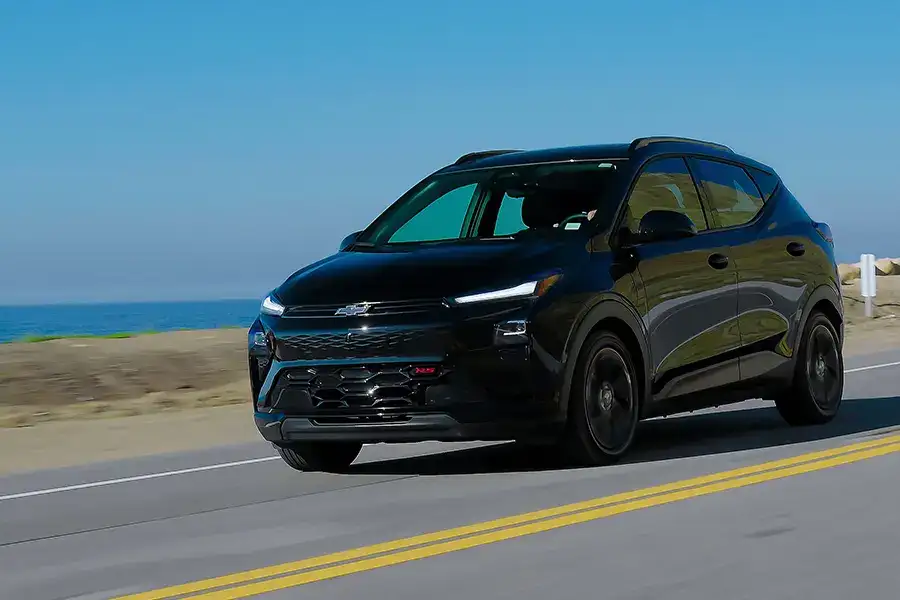
The 2027 Chevy Bolt gives shoppers a rare combination in today’s market: a lower entry price and the potential for lower day-to-day driving costs. For drivers in Norwood who want an EV that feels practical instead of intimidating, that makes the Bolt one of the most interesting vehicles in Chevrolet’s lineup right now.¹
A lot of EV headlines focus on the sticker price, and the Bolt has a strong one. Chevrolet lists the 2027 Bolt LT starting at $27,600, with a first-ever Bolt RS starting at $31,600.¹ That matters. What makes the Bolt even more compelling is what happens after the purchase. When lower energy costs, reduced routine maintenance, and possible state EV incentives enter the picture, the affordability story gets stronger.² ³ ⁴
Why the New Bolt Stands Out
For many shoppers, the Bolt checks the most important boxes right away:
- Chevrolet lists the 2027 Bolt LT starting at $27,600¹
- EPA-estimated range is 262 miles¹
- A standard NACS charge port helps open the door to more public charging options¹
- Chevrolet says the new Bolt can charge from 10% to 80% in a GM-estimated 25 minutes with DC fast charging¹
- The first-ever Bolt RS adds a sportier look and feel without pushing the vehicle out of reach¹
That combination makes the Bolt easier to understand than a lot of EVs. It is not trying to be a luxury statement. It is trying to make electric driving more attainable.
Affordability Starts with the Purchase Price
Price is still one of the biggest reasons shoppers hesitate when they start looking at EVs. The Bolt directly addresses that concern.
An affordable starting point changes the conversation for a lot of buyers. Instead of treating an EV like a stretch purchase, shoppers can start asking a more practical question: does this fit my life, my budget, and my routine? With the Bolt, the answer may be yes for more households than before.
That matters for first-time EV buyers, younger drivers, commuters, and families looking for a second vehicle that can handle daily use without piling on fuel costs. It also matters for anyone who wants to go electric without automatically moving into a larger or more expensive model.
Where the Savings Can Add Up
The Bolt’s value story gets better when you look beyond the purchase price.
Lower Energy Costs
Electric vehicles are typically cheaper to fuel than comparable gasoline vehicles, and they are also more energy-efficient.² ³ For drivers who spend a lot of time commuting, making school runs, or checking off errands during the week, that difference can add up over time.
Less Routine Maintenance
All-electric vehicles generally require less maintenance than conventional gas vehicles because they have fewer moving parts and fewer fluids that need regular service.² That simpler maintenance profile can be a meaningful part of the ownership story.
Potential State Incentives
Massachusetts shoppers may also want to keep an eye on current MOR-EV rebate options for eligible vehicles and buyers. Program rules can change, but EV incentives can make an already affordable model even more appealing when a buyer qualifies.⁴
Affordable Does Not Mean Bare-Bones
A lower price only goes so far if the vehicle feels stripped down. The new Bolt looks much more complete than that.¹
Chevrolet says every 2027 Bolt delivers 210 horsepower, a standard NACS charge port, an 11.3-inch diagonal touchscreen display, an 11-inch diagonal Driver Information Center, and over 20 standard safety and driver assistance features.¹ Available features include Super Cruise driver assistance technology, HD Surround Vision, Google built-in compatibility, and wireless phone charging.¹
Chevrolet also says the new Bolt is backed by an 8-year/100,000-mile battery limited warranty and has access to more than 250,000 available chargers across the U.S. and Canada, including compatible Tesla Superchargers.¹ Those details matter because they help move the Bolt beyond the old idea that an affordable EV has to feel basic or inconvenient.
Why the Bolt Makes Sense Around Norwood
The Bolt is especially easy to picture in the kind of driving many local shoppers actually do.
Think about a typical week that includes commuting on Washington St, quick stops around University Ave and University Station, errands near Norwood Plaza, and short trips into Dedham, Westwood, or Walpole. Those are the kinds of drives where a compact EV can make a lot of sense. It is easy to maneuver, easy to park, and well matched to the short, frequent trips that fill up most calendars.
That local fit is part of the Bolt’s appeal. Not every shopper needs a large SUV or a road-trip-first EV. Plenty of drivers need a vehicle that feels efficient, practical, and affordable for everyday use close to home.
A Smart Commuter EV With a Clear Mission
One of the best things about the Bolt is that its role is easy to understand.
This looks like a strong option for drivers who want:
- a daily commuter
- a practical second household vehicle
- an easier entry point into EV ownership
- modern charging and tech features without a premium price
It is also worth being honest about what buyers should consider. Cold weather can affect EV charging and performance, and Chevrolet specifically notes that temperature can influence both.¹ Shoppers who regularly prioritize long-distance highway travel, maximum cargo space, or a larger footprint may want to compare the Bolt with a bigger EV before making a decision.
That kind of clarity actually strengthens the Bolt’s case. For the right buyer, it does not need to be everything. It just needs to be very good at the things people do most.
Why the Bolt’s Return Matters
The return of the Bolt says something important about where Chevrolet sees the EV market going.
Not every EV shopper wants the biggest battery, the longest range, or the highest price point. A lot of people simply want an EV that feels attainable and sensible. Chevrolet appears to understand that. The Bolt gives the brand a more approachable way to bring new buyers into electric driving, and that is good news for shoppers who have been waiting for a more budget-friendly option.
In other words, the Bolt is not just back. It is back with a clearer value proposition than ever.
FAQ: 2027 Chevy Bolt
How much does the 2027 Chevy Bolt cost?
Chevrolet lists the 2027 Bolt LT starting at $27,600 and the Bolt RS starting at $31,600.¹
What is the range of the 2027 Chevy Bolt?
Chevrolet lists the 2027 Bolt with an EPA-estimated 262 miles of electric range.¹
Can the Chevy Bolt help lower ownership costs?
It can. EVs are generally more energy-efficient than gas vehicles, electricity is often cheaper than gasoline, and all-electric vehicles typically require less routine maintenance.² ³
Is the Chevy Bolt a good fit for commuting around Norwood?
For many drivers, yes. A compact EV with 262 miles of EPA-estimated range can make a lot of sense for local commuting, errands, and short regional trips around Norwood and nearby towns.¹
Does the 2027 Bolt support fast charging?
Yes. Chevrolet says the Bolt supports DC fast charging and can go from 10% to 80% in a GM-estimated 25 minutes.¹
The Bottom Line
The 2027 Chevy Bolt stands out because its affordability story works on more than one level. A lower starting price gets attention, but the longer-term savings matter too. Lower energy costs, reduced maintenance needs, and the possibility of state EV incentives can all help strengthen the value equation.
For shoppers who want an EV that feels practical, modern, and easier to fit into a real-world budget, the Bolt looks like one of the smartest Chevrolet models to watch.
To see whether the new Chevy Bolt fits your commute, your budget, and your next trade, visit Nucar Chevrolet of Norwood and connect with our team. Everyone loves a Nucar!
0 comment(s) so far on The 2027 Chevy Bolt Is Back, and the Savings Story Goes Beyond the Price Tag